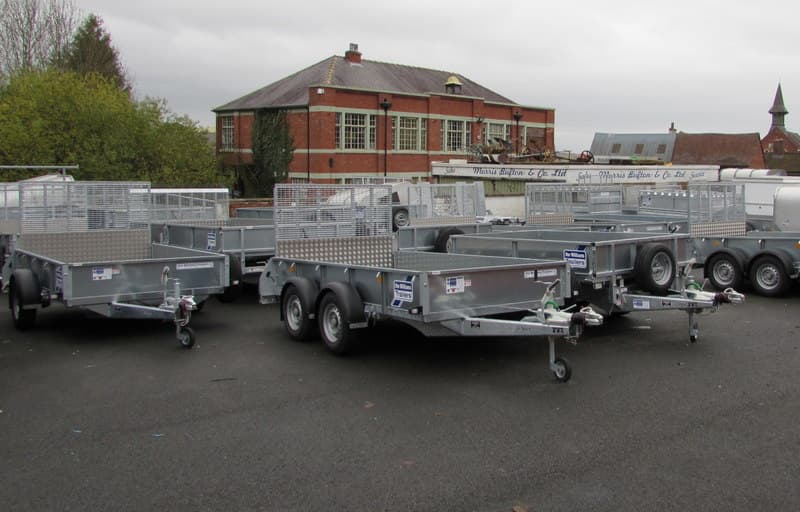
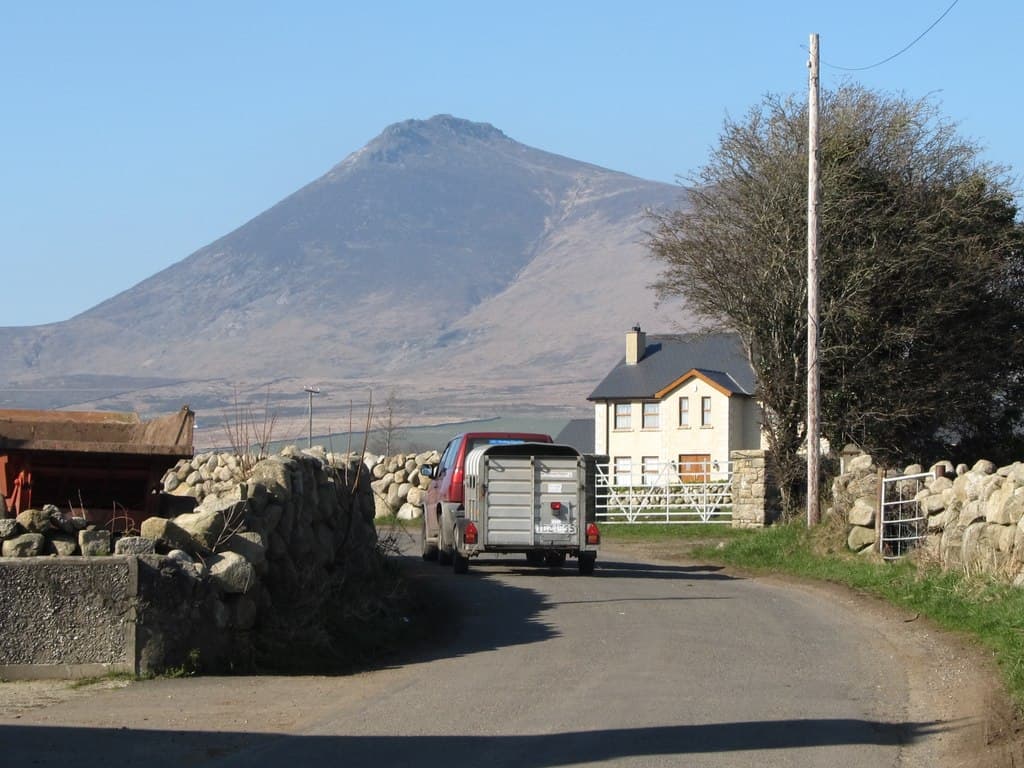
28 long-form guides. Every piece is written in Australian English and aimed at a reader who will actually cut steel, book a blue slip or grease a bearing.
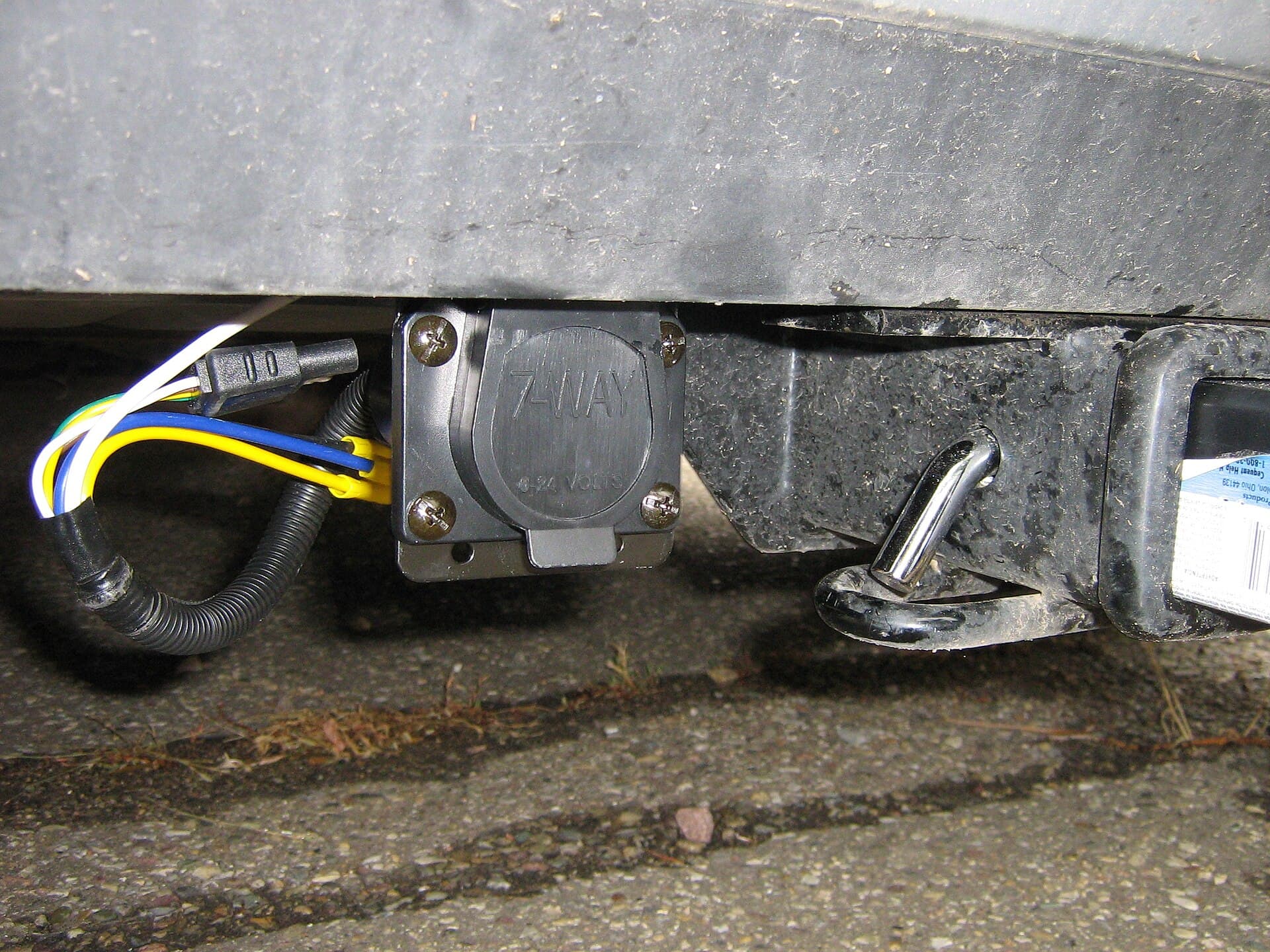
Outback trailer wiring fails at earths, junctions and abrasion, not at the globe. Route the loom for corrugations, specify the plug, and give yourself a field repair.
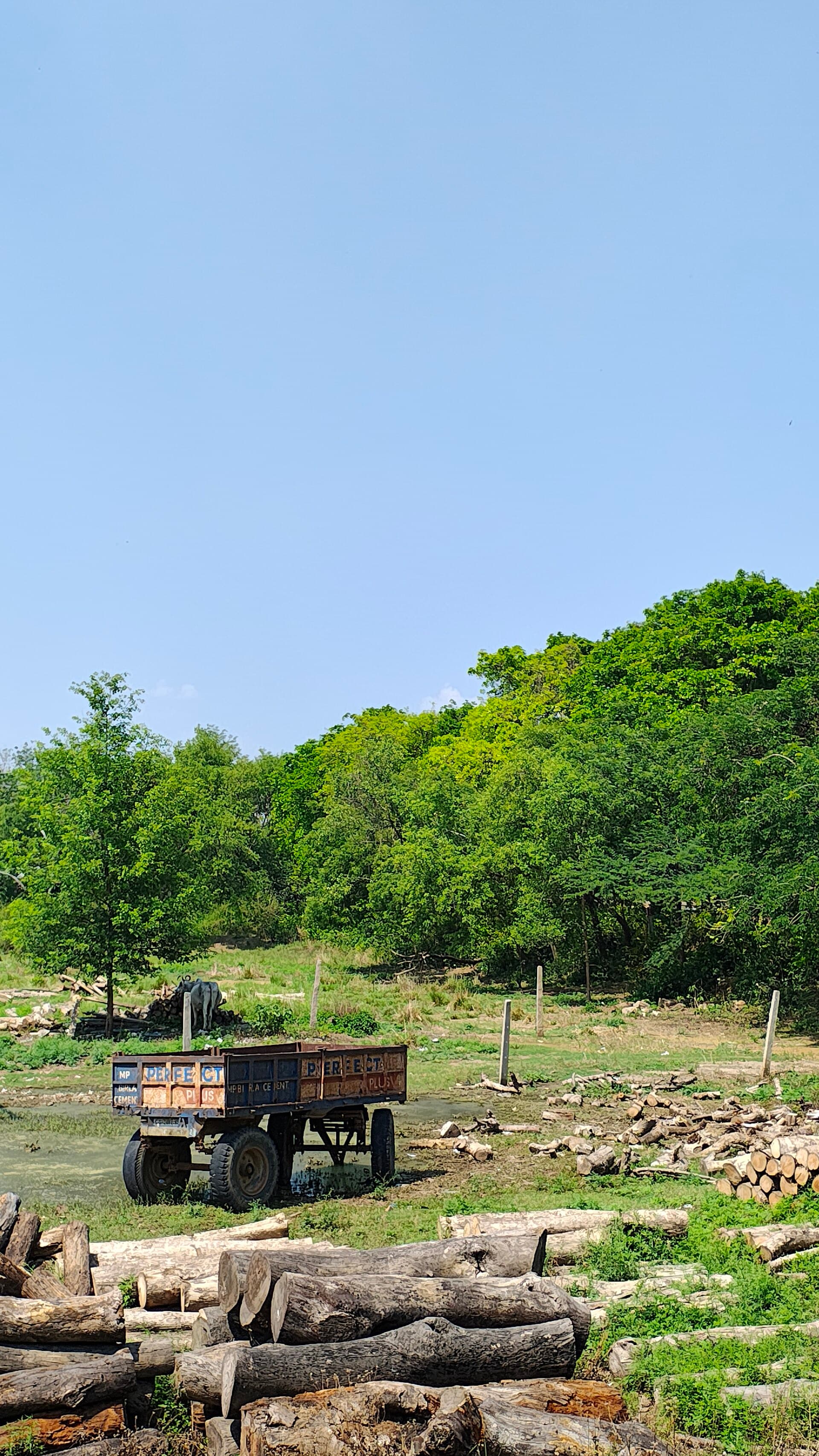
Cage trailers are a cubic-metre versus tonne problem. Mesh contains volume that wet clay and concrete will overweight — spec ATM and sides around the heaviest material, not the green-waste day.
Trailer floors fail from trapped water and tired fasteners more than from the deck material. Choose chequer, timber or composite for drainage and replacement, not for the photo.
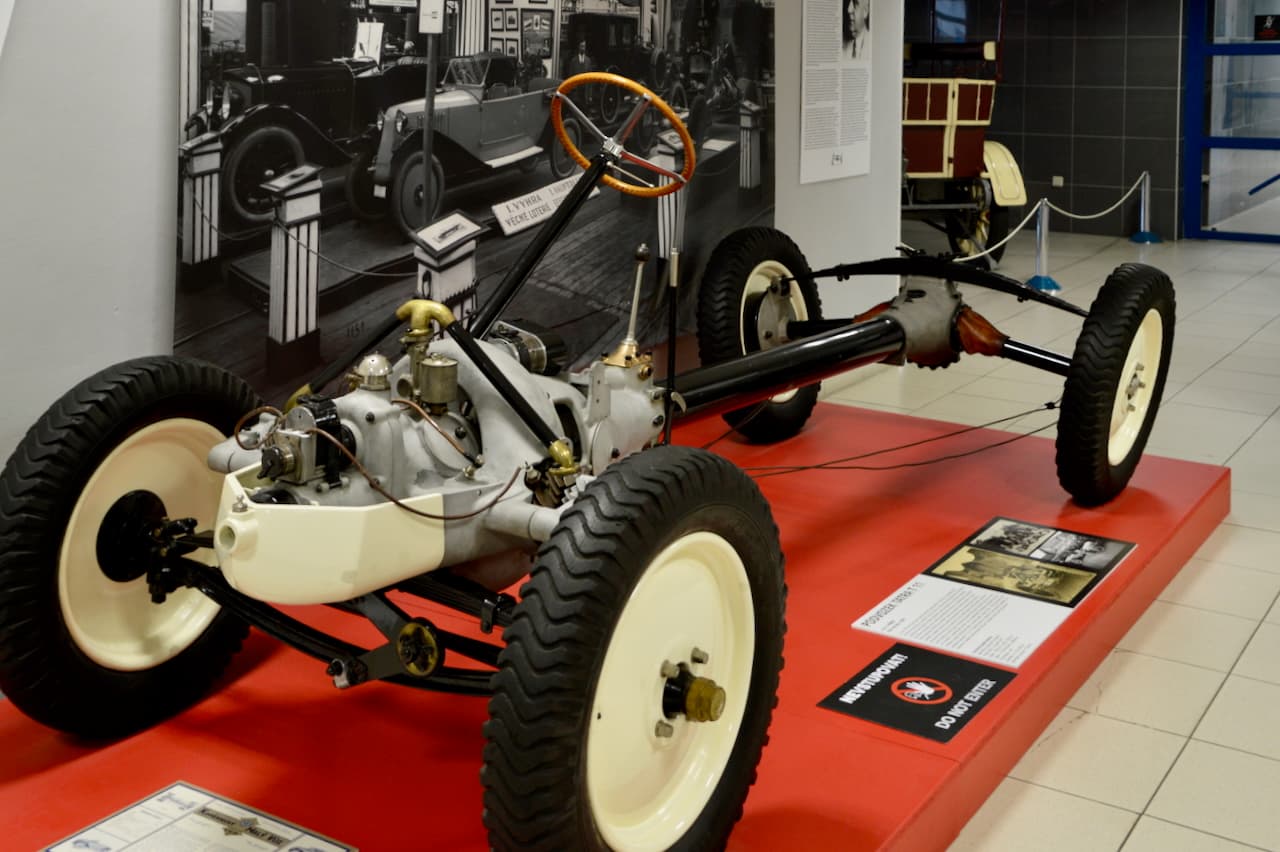
Profile choice and drawbar geometry decide fatigue life on Australian corrugations. Heavier steel is not a design. Drain paths, joints and ball height are the job.
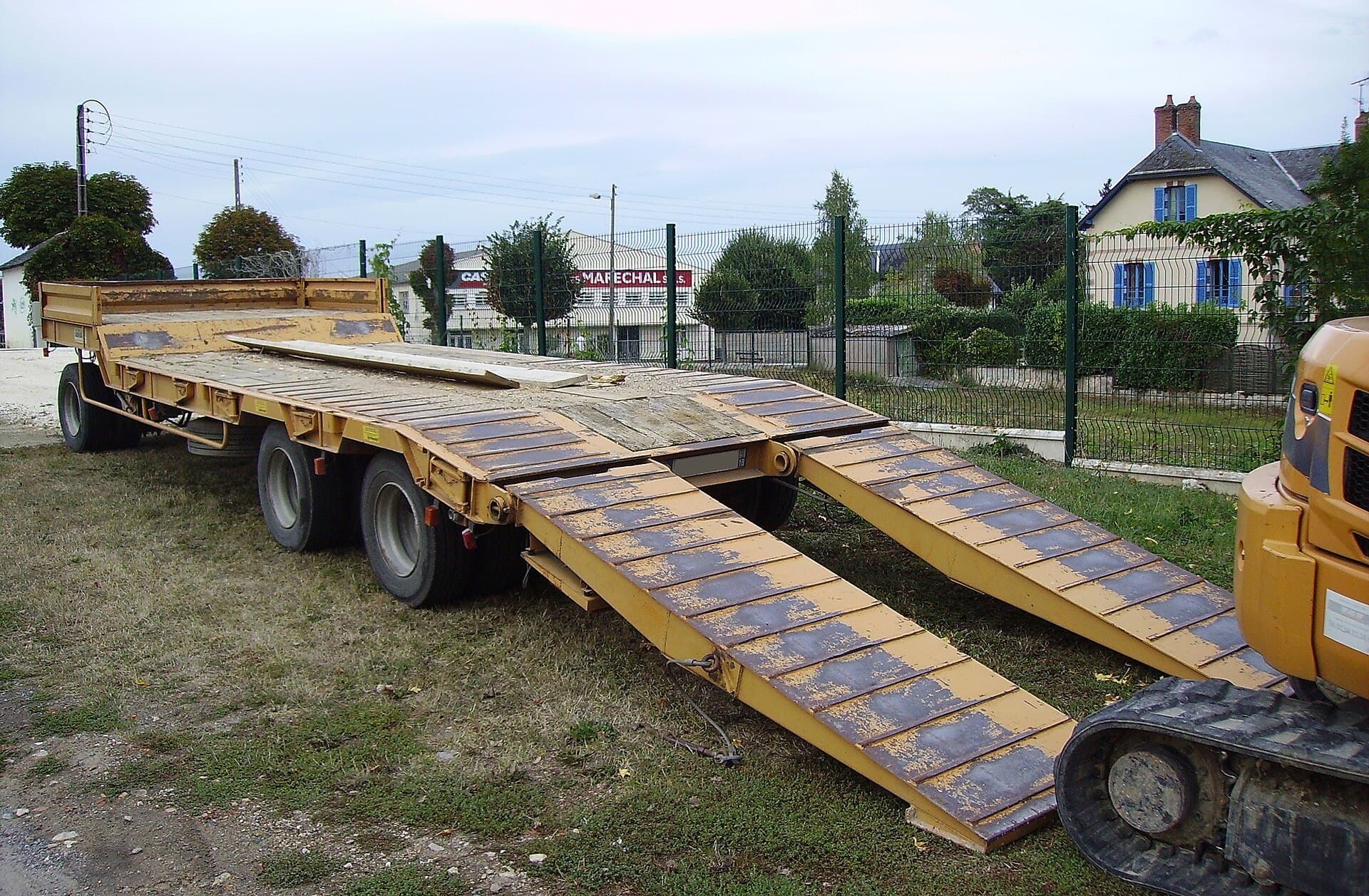
Plant trailers fail on ramp angle, tie-downs and people who treat ATM as payload. Spec the trailer around the machine’s wet mass and the clay driveway, not the brochure deck length.
Rust on Australian trailers is a washing and drainage problem as much as a coating problem. Galvanising buys time; trapped mud, timber floors, salt and coastal parking take it back.
On Australian trailers the hub, the tyre and the brake share heat and water. Treat them as one rotating assembly — especially after salt water, corrugations and a long inland run.
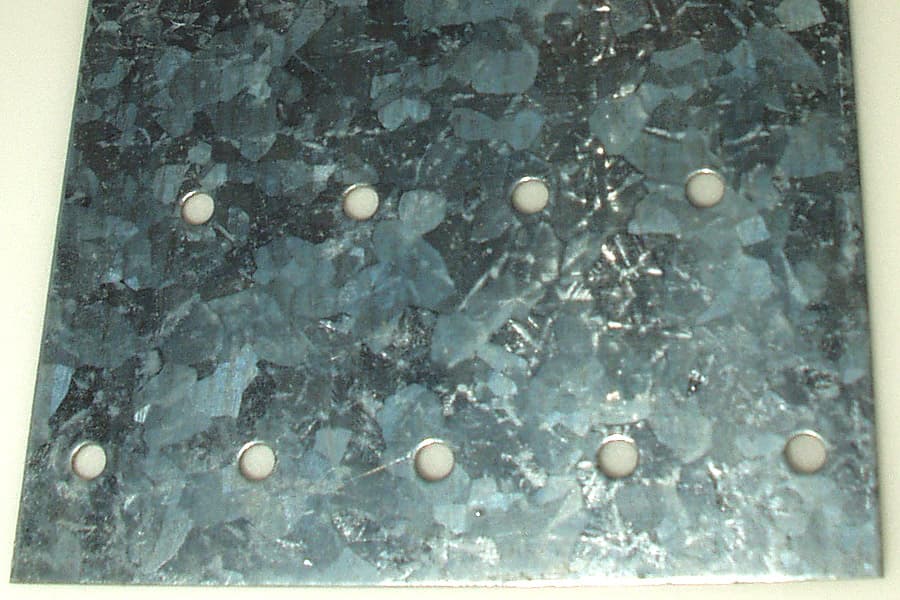
Zinc is sacrificial, powder is a barrier. Australian trailers fail when those jobs are confused, when boxed steel cannot drain, and when a pretty coat hides mill scale.
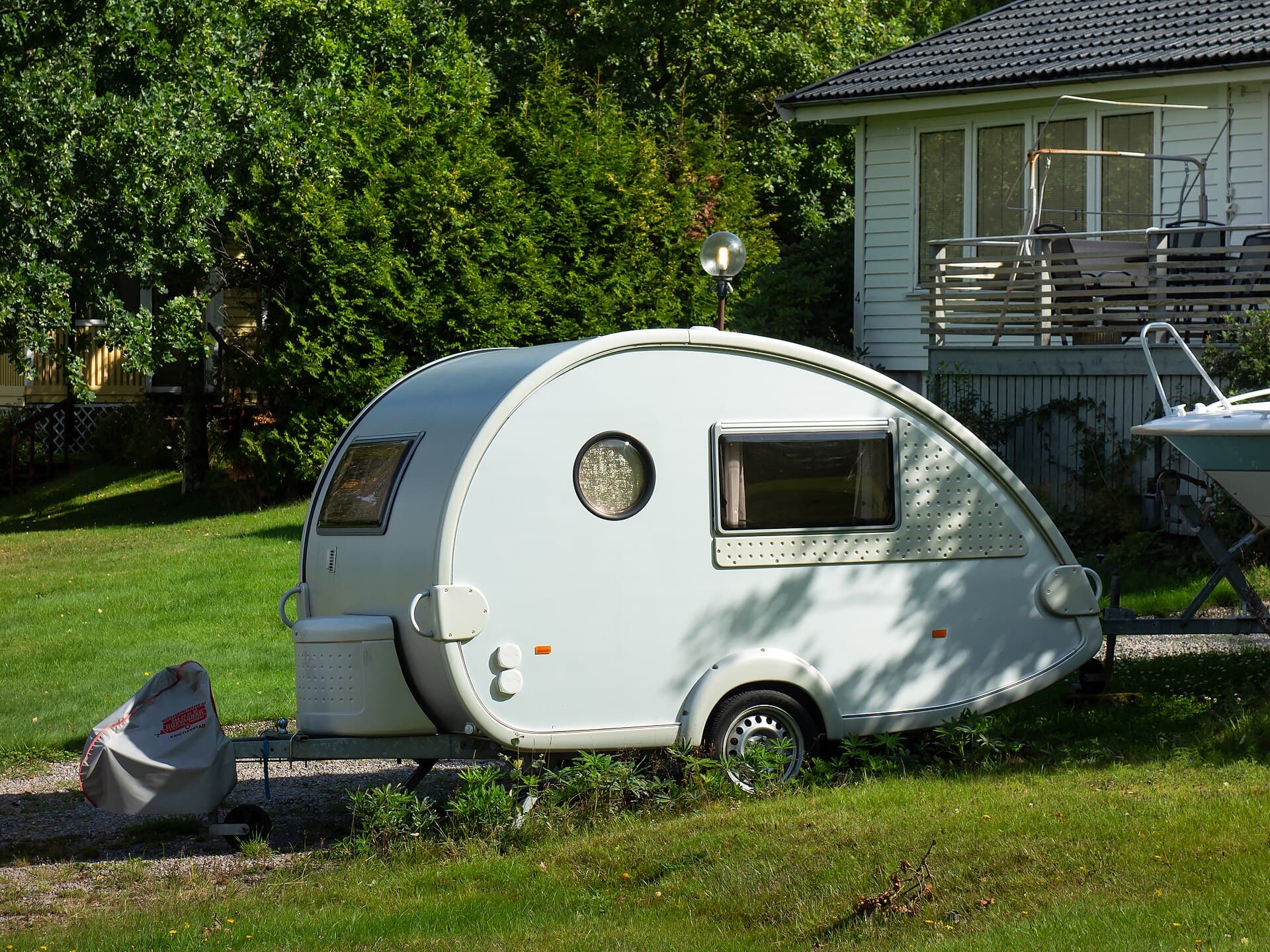
Hard-floor versus soft-floor is a setup-time, dust and ATM decision. Spec the camper for corrugations and a real licence class — not for the kitchen in the photo.
Australian trailers fail after beaches, corrugations and a summer of sitting, not on a calendar. A useful yearly schedule is seasonal and kilometre-based — bearings, brakes, lamps, couplings, tyres and rust in that order.
Material choice is climate, duty and who can weld it on a Tuesday, not a weight slogan. Steel and aluminium fail in different Australian ways, and mixed metals fail faster.
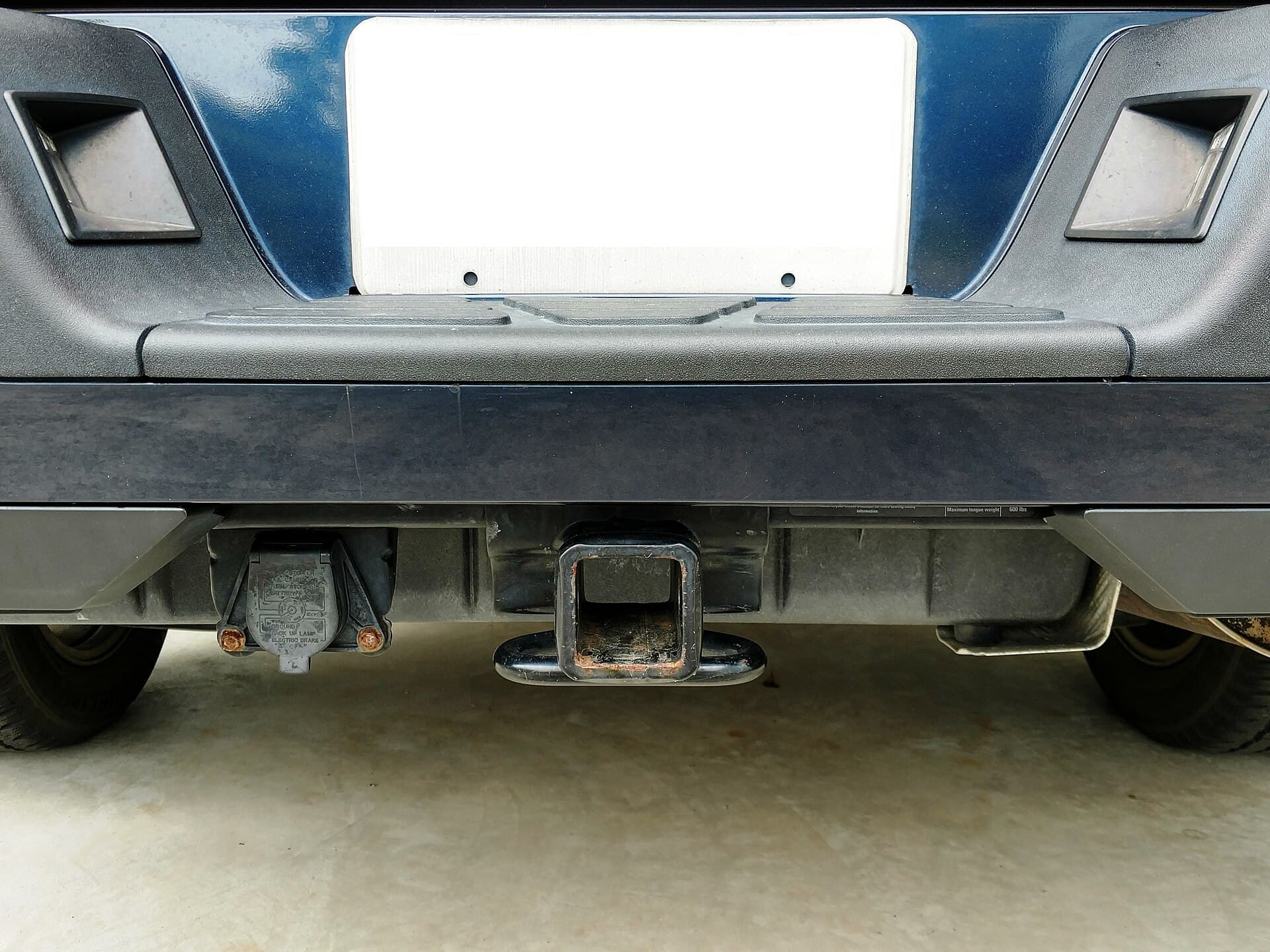
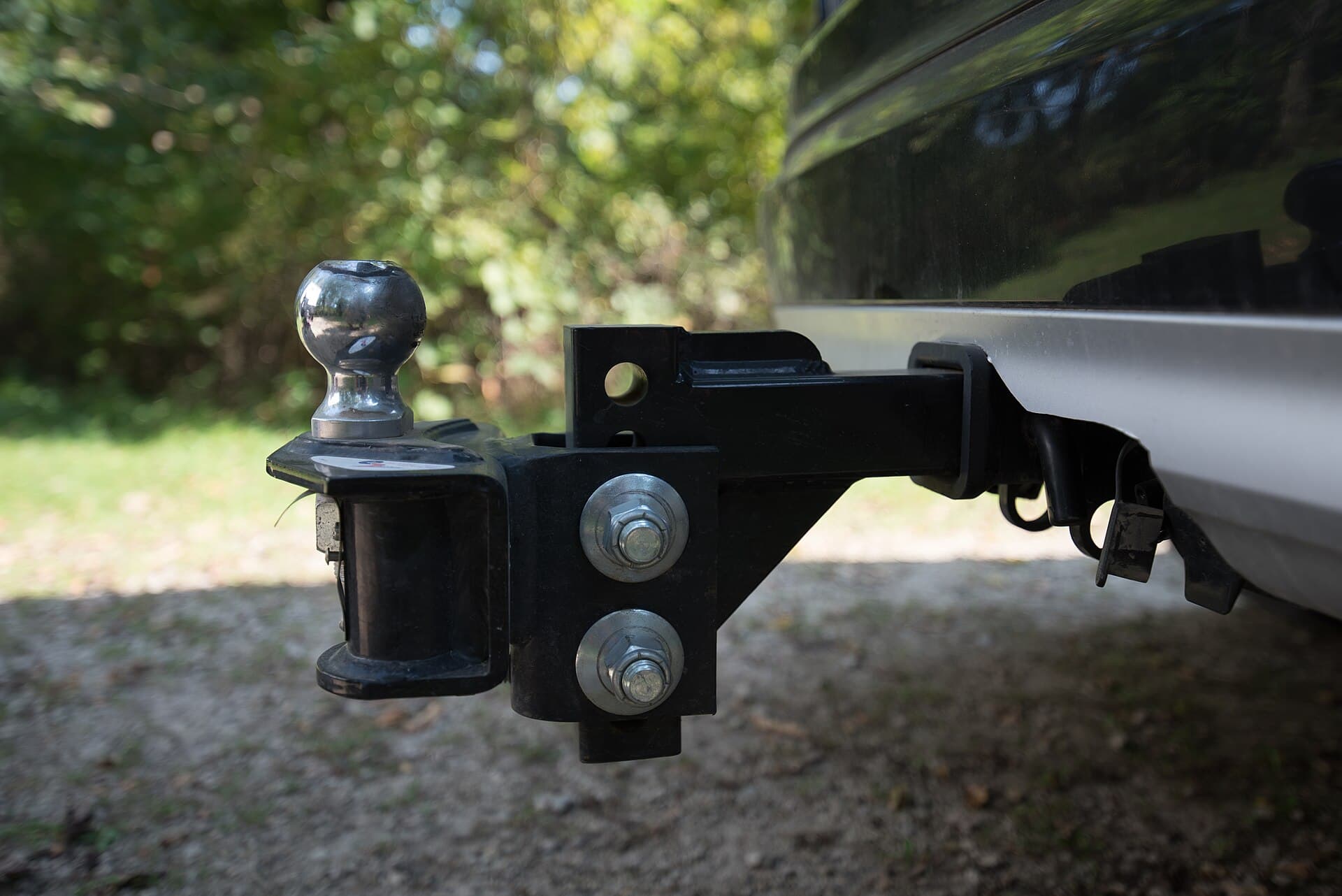
ADR 62 treats a coupling as a rated, lockable mechanical connection. The 50 mm ball is the Australian light-trailer default. Pintle and gooseneck exist when rating, articulation or deck layout run out.
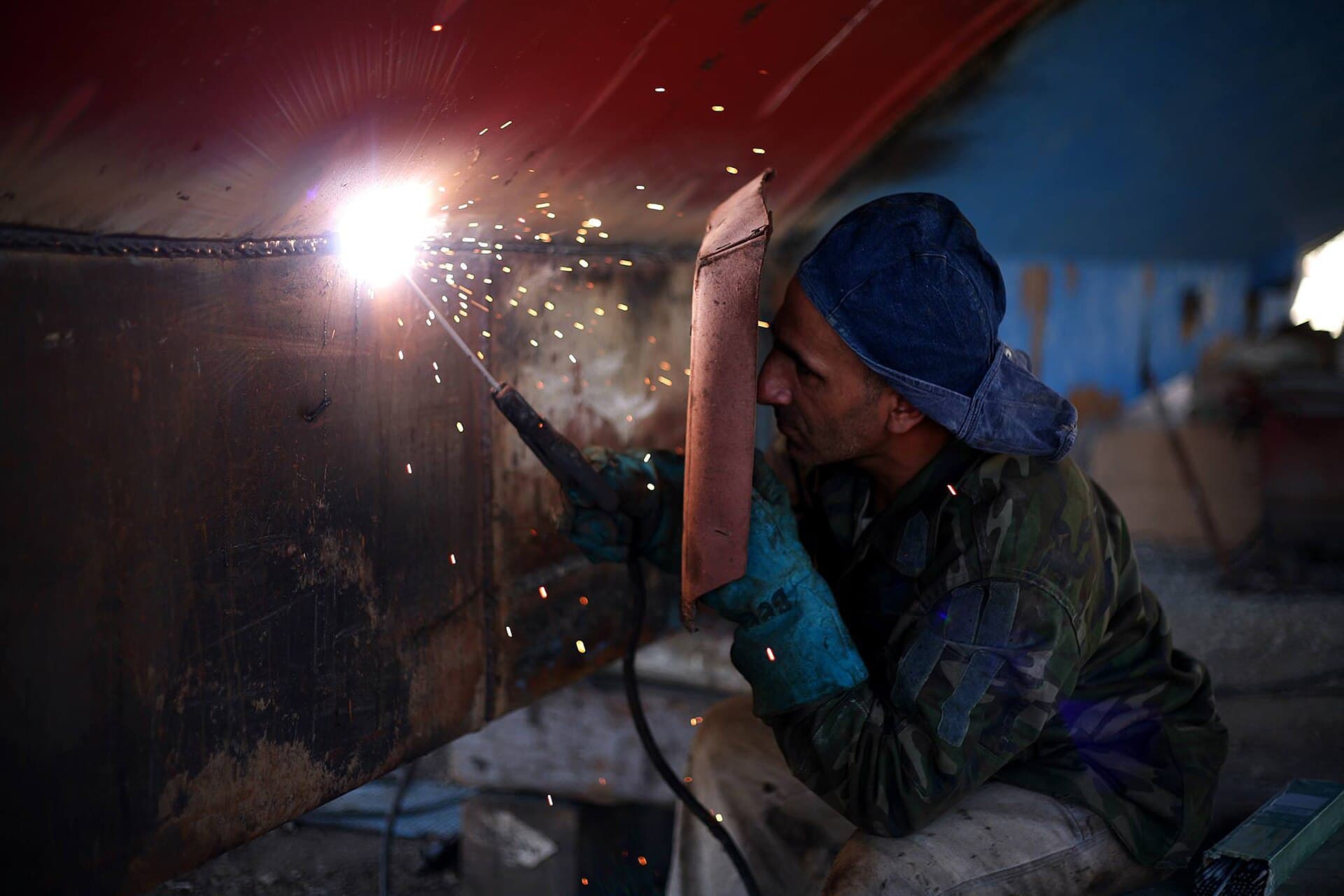
Walk the factory with a written question list. A builder who cannot answer compliance, weld procedure and after-sales in plain English is not ready for a deposit.
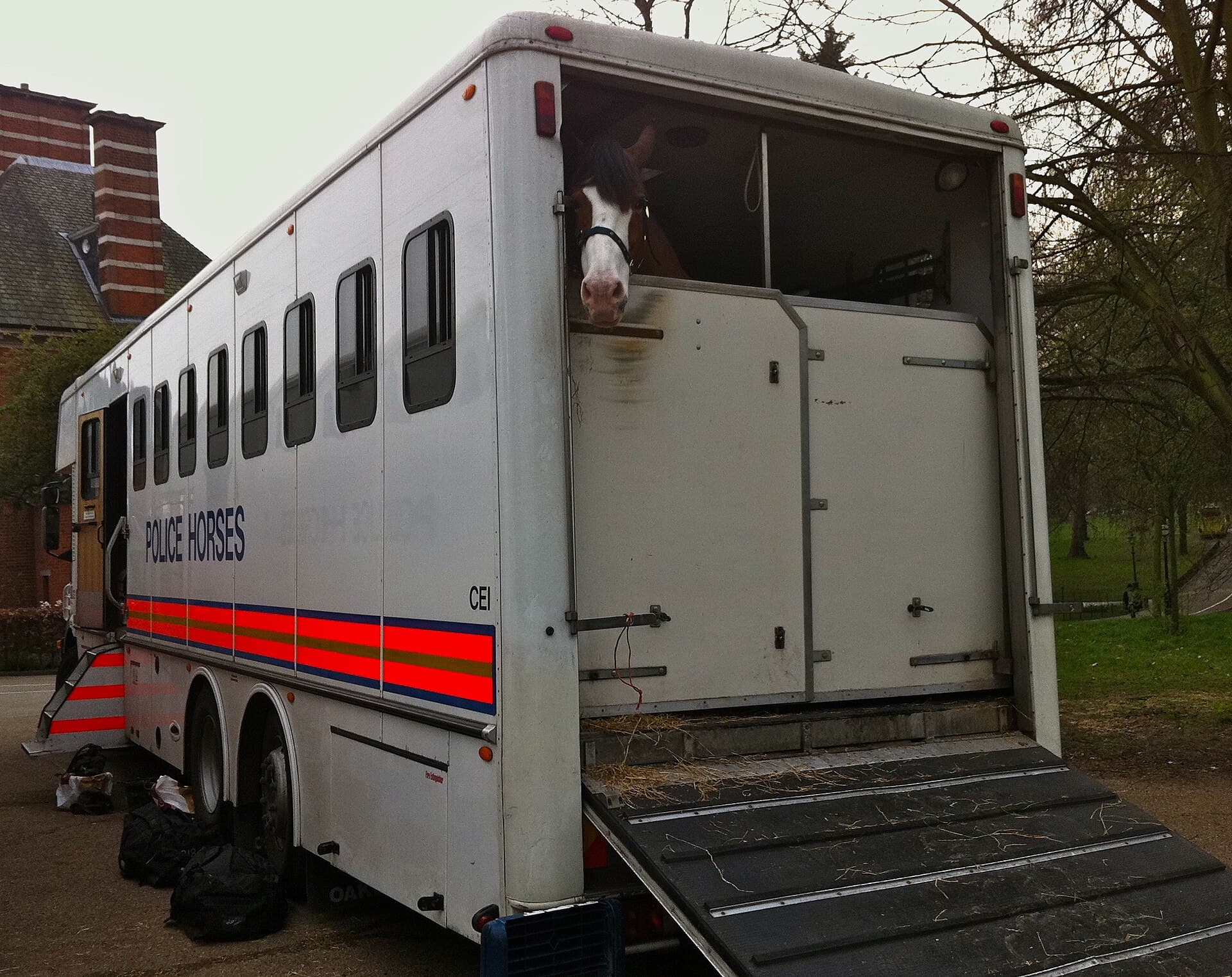
An Australian horse float is a living-animal vehicle, not a US horse trailer with a different name. Spec ramps, ventilation and ATM around the horses you actually load.
A weight-distribution hitch puts load back on the steer axle. Sway control damps yaw. Neither raises ATM or GCM, and neither fixes a trailer loaded over the tail or towed with a soft rear tyre.
The chassis quote is not the job. Finish, compliance, running gear and the months you cannot work the trailer are where Australian custom builds blow their budgets.
The legal combination is the lowest of ATM, GTM, GCM, the vehicle’s tow rating, the towbar and the coupling. Towball download of about 8–10 per cent is how that combination stays on the road.
Width and mass are different tickets. Most custom trailers in Australia fail on ATM, GTM or GCM long before they need an oversize permit — but 2.5 metres, 4.3 metres and a 19-metre combination are hard edges.
ATM, GTM and tare are not workshop slang. They are the legal mass story on the plate, and payload is whatever is left after you subtract a trailer you have actually weighed.
The ADRs are national. The queue is not. After a RAV entry and VIN, each Australian state and territory still wants its own inspection, weigh ticket and forms before a custom trailer gets plates.
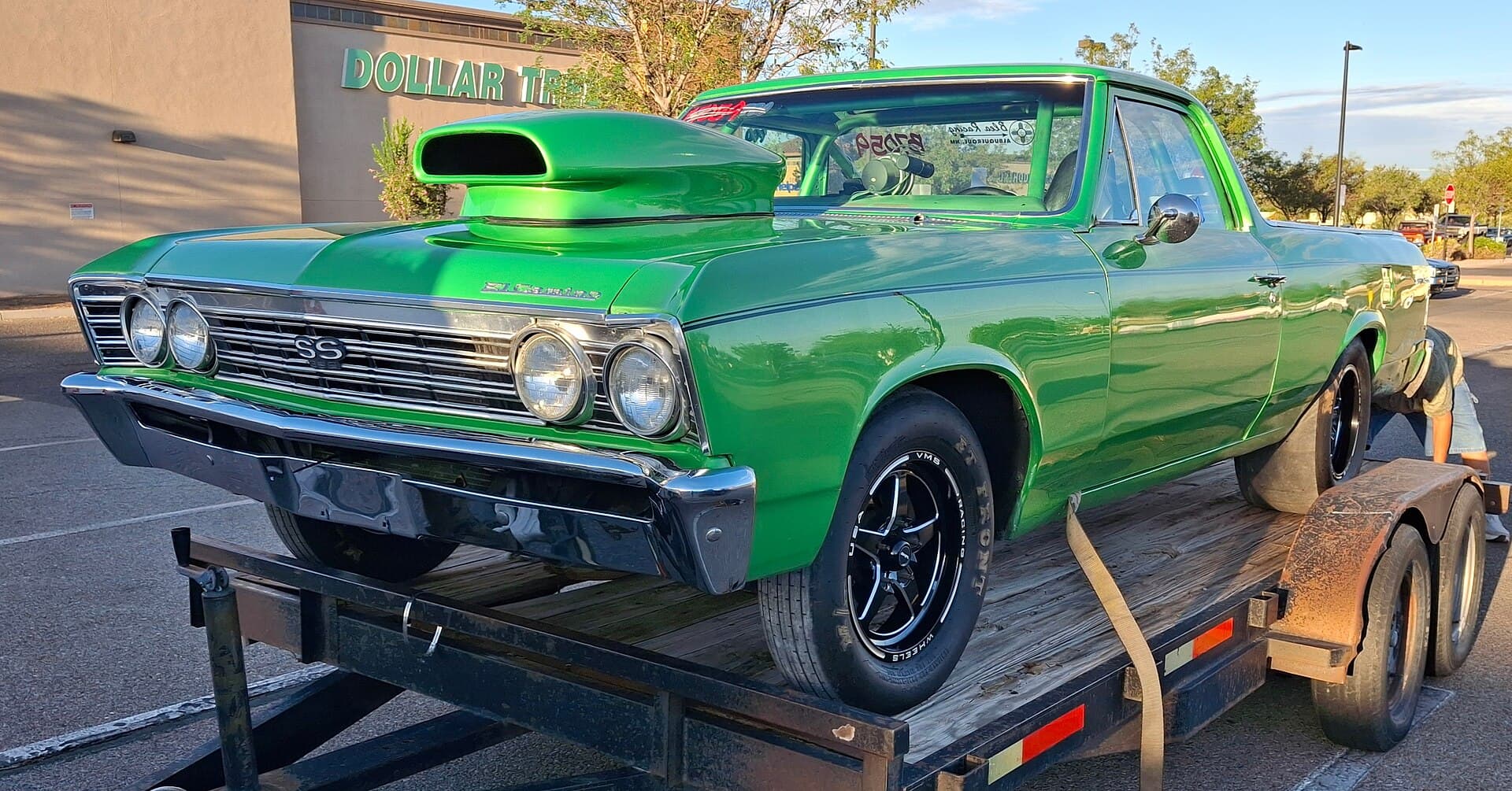
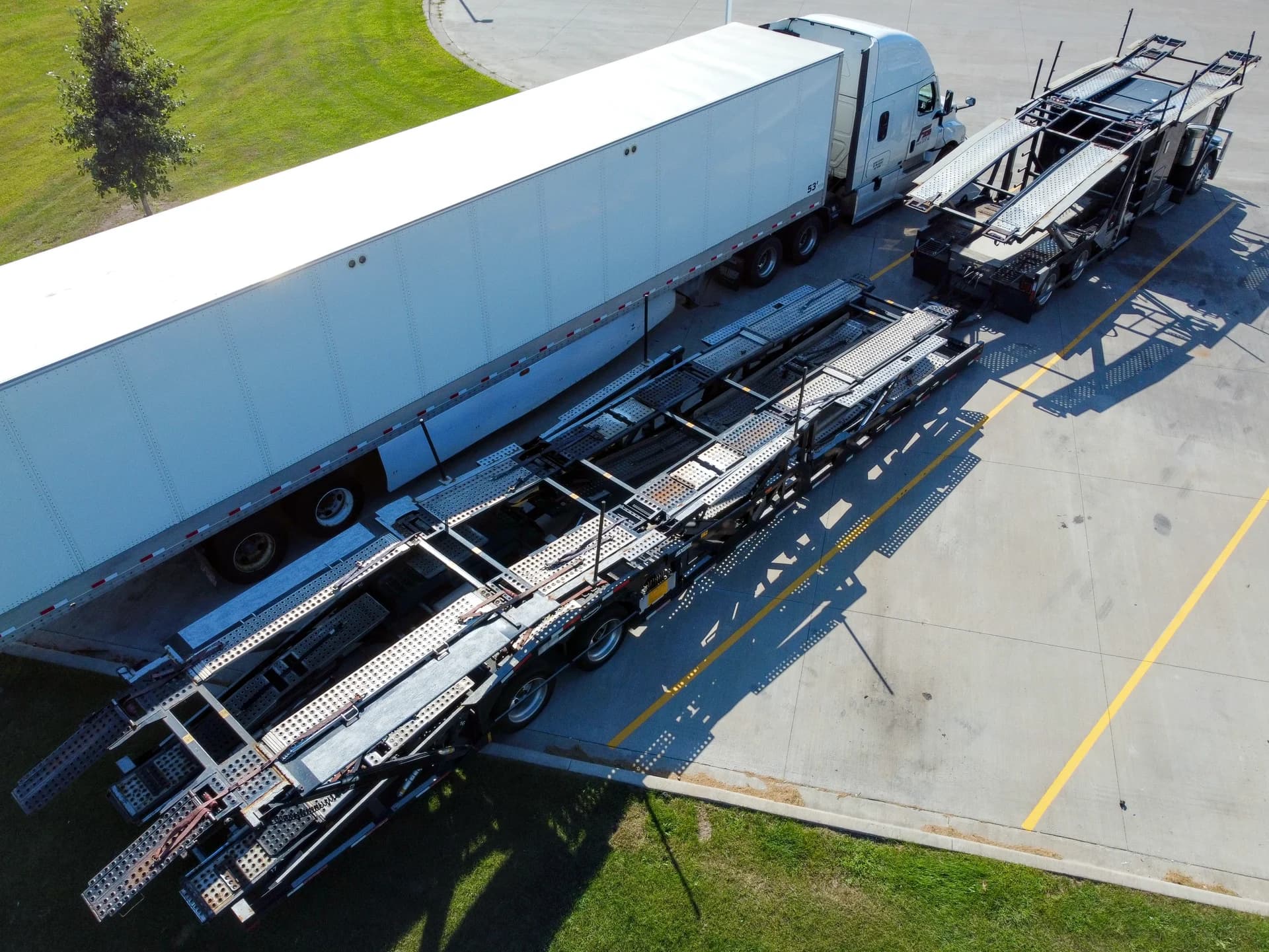
Open or enclosed is a weather, theft and mass decision. Spec the trailer around the car’s wet weight, Australian hail and the ute’s GCM — not the paint.
ADR 13 is a lighting system, not a shopping list of LED lamps. Placement, approval marks, a working plate lamp and a plug that survives corrugations decide whether a custom trailer is visible — and registerable.
A used custom trailer can be the honest buy if you inspect compliance, fatigue and rust, not just the paint. Here is the yard checklist we use across Australia.
Unbraked light trailers in Australia usually stop at 750 kg GTM. Above that, ADR 38 decides between override, electric or air and hydraulic systems — and when breakaway becomes mandatory.
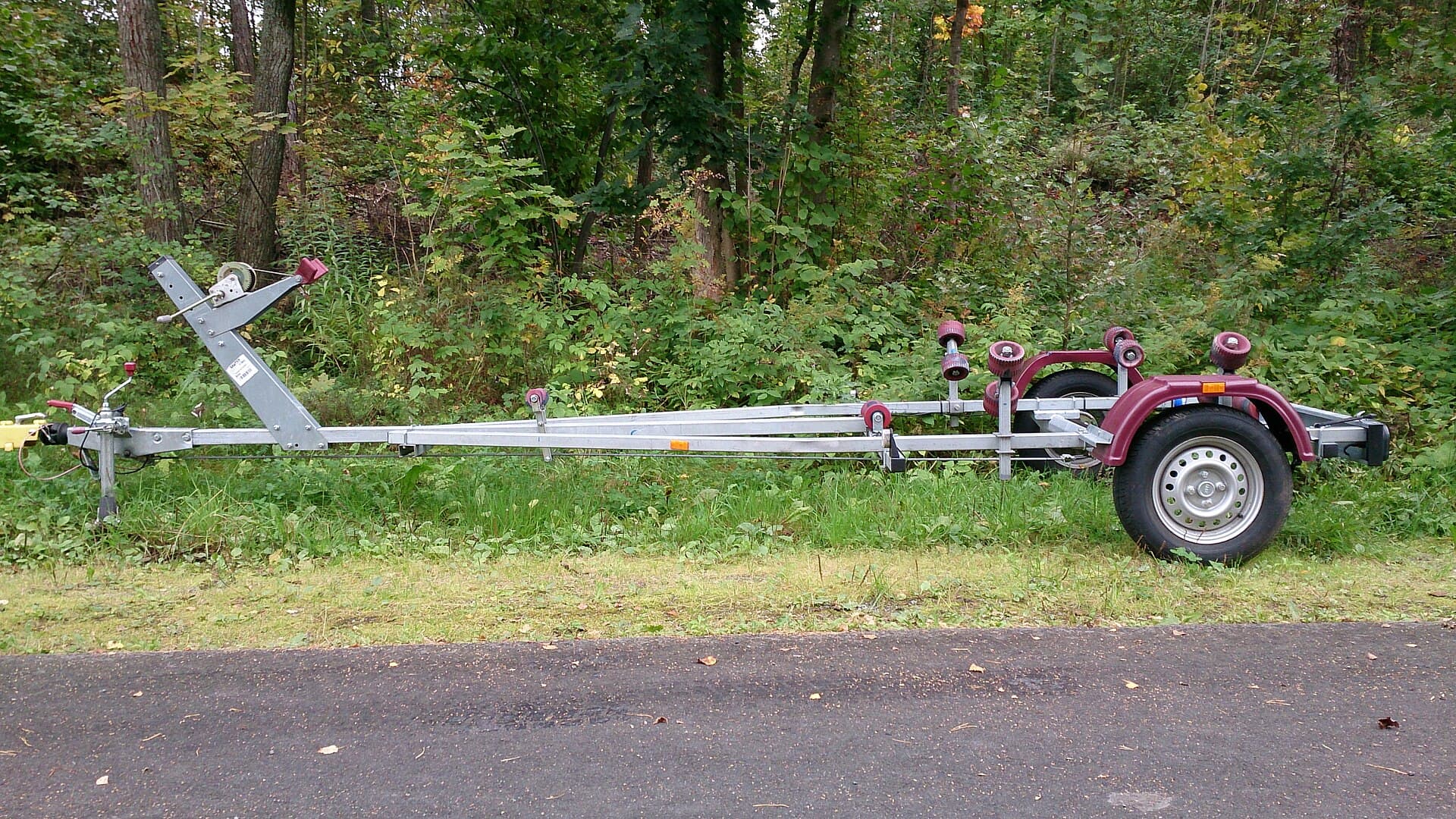
A Gold Coast boat ramp at dawn is a better specifier than a catalogue. Match ATM, finish, coupling and wiring to salt, corrugations and the tow vehicle you actually own.
Australian Design Rules decide whether a custom trailer can be plated, entered on the RAV and registered. Here is how ADR 38, ADR 13 and ADR 62 actually show up in the workshop.