Cage and landscaping trailers
Cage trailers are a cubic-metre versus tonne problem. Mesh contains volume that wet clay and concrete will overweight — spec ATM and sides around the heaviest material, not the green-waste day.
By Sam Keating · 19 March 2026 · Updated 22 July 2026 · 7 min read · 1,453 words
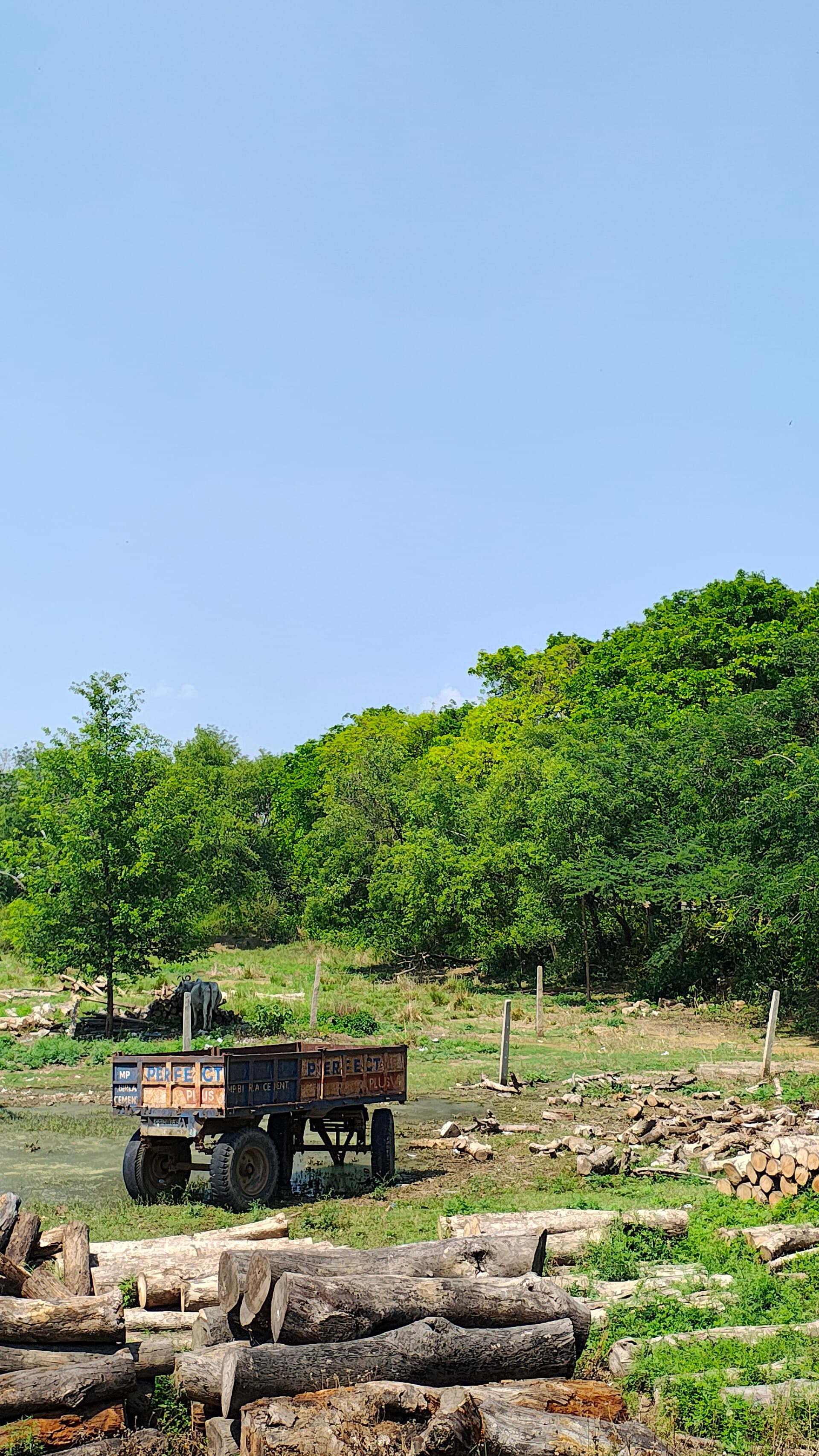
A landscaper in the Dandenongs filled an 8x5 cage with wet clay from a Glen Iris excavation because the mesh still had room. The prunings from Tuesday had filled the same cage and sat comfortably on a 1,400-kilogram ATM. The clay did not. The trailer squatted over the guards on the way to the tip, the dual-cab’s rear axle joined the argument, and the plate — which had always been a bit of a rumour — finally met a driveway that sloped. Cage trailers are not a volume product. They are a cubic-metre versus tonne product, and Australian landscaping is full of materials that look like air and weigh like regret.
A cage or landscaping trailer is a containment machine. Spec the sides for what must not fall on the highway, and spec the ATM for the densest thing you will actually shovel in.
Volume is not mass, and mesh lies about both
Green waste is bulky and, when it is dry, almost kind. Wet clay, wet sand, concrete rubble and a load of mixed fill are the opposite. A cubic metre of dry woodchip might be 200 to 400 kilograms. A cubic metre of wet clay can sit somewhere between 1.5 and 2 tonnes depending on how unlucky you are. The cage does not know the difference. You have to.
Reading ATM, GTM and tare is how you stop guessing. ATM is the loaded limit. Tare includes the mesh, the gates, the jockey wheel and the toolbox you bolted on in the first month. Payload is the gap, and on a cage trailer the payload is the material, not the “8x5” painted on the drawbar.
| Material (loose, typical) | Rough mass per cubic metre | What it does to an 8x5 cage |
|---|---|---|
| Dry prunings / green waste | 150–400 kg | Fills the mesh before it fills the plate |
| Woodchip / mulch | 200–500 kg | Easy to mound over the rail and still be legal |
| Dry sand | 1,400–1,700 kg | One bay can finish a 1,400 kg ATM |
| Wet clay / wet fill | 1,600–2,100 kg | The classic overload; looks like Tuesday’s green waste |
| Concrete rubble | 1,800+ kg | Point loads on the floor; horrible for timber |
Those figures are working ranges, not laboratory certificates. If your week includes excavation spoil, you need a plate for spoil. If it is only prunings, you can live lighter — and you should not then “just take a load of fill for a mate”.
Queensland’s public towing rules are a useful reminder that the combination has to stay inside the tow vehicle’s ratings as well as the trailer plate. A legal cage on a groaning one-tonne ute is still a GCM problem.
Sides, gates and the highway behind you
Mesh height is a containment spec. 600 millimetres of cage keeps tools and a low load of plants on board. 1,200 millimetres is the landscaping default because green waste wants to be a sail. Higher mesh without a higher ATM is how you hide an overweight load from yourself.
Solid sides hold sand and soil that would otherwise run through mesh. They also add tare and a rust face. Many working trailers use mesh with a solid lower board, or a tray that can take a cage insert. If you switch between green waste and fill in the same week, an insert you can pull off is more honest than a single body that is poor at both.
Gates should open the way you unload. A full-width rear gate that drops as a ramp is useful for a barrow and a mower. Side gates help at a tight inner-city terrace. Every hinge is maintenance. A gate that is held with a bent pin and optimism is how a load of offcuts joins the Hume.
Field note: A Melbourne council contractor ran two 8x5 cages on 1,400-kilogram ATM plates because “green waste is light”. Friday’s job was wet clay from a burst water main. Both trailers sat on the bump stops. They now run one light cage for prunings and one 2,000-kilogram ATM solid-side tipper for spoil, and the Friday panic stopped.
Secure the load as if the person behind you is on a motorcycle, because they sometimes are. Mesh does not replace a net or a tarp for light green waste that will lift at 100 km/h. Rocks and pavers need a floor and a habit, not a hope. Oversize and overloaded is not only a plant-trailer article; a mounded cage that sits above the legal load height is the suburban version.
Tipping, floors and the tip that has opinions
A tipping cage is a labour-saver and a second machine. Rams, a pivot and a body that must stay registered when it is raised all add tare and a service list. They earn it if you dump soil or gravel several times a day. They do not earn it if the transfer station forbids raised bodies, or if you unload by hand onto a sort pad.
Non-tipping cages are simpler, lighter and slower to empty. Landscapers who live at the green-waste bay often stay non-tip and save payload. Civil-adjacent crews who dump fill on a driveway want the ram.
Flooring takes a beating that a tradie box does not. Shovels, a barrow wheel, and a point load from a concrete offcut will destroy a thin timber floor. Chequer plate lasts and gets slick with clay. A sacrificial timber overlay on a steel floor is a maintenance item you can budget. Drain holes matter; a cage that holds a paddling pool of leachate is extra mass and a rust machine.
Chassis crossmembers have to sit under shovel work and under a mower that is driven on, not just under a distributed load of leaves. Ask where the rails run before you assume an 8x5 is an 8x5.
Brakes, the ute and the trip to the tip
Once ATM is over 750 kilograms you need brakes. A useful landscaping cage that can take spoil is usually over that line. Override couplings are common on single-axle 7x5 and 8x5 cages; they are less charming once you are tandem and 2,000 kilograms ATM with a load that can shift. When a trailer needs brakes is the threshold. Over two tonnes ATM, the breakaway has to exist and work.
Match the cage to the tow vehicle after you have put the mower, the spare pavers and a drum of fuel on the tray. Dual-cabs with a 3,500-kilogram tow rating still have rear axles. A squatting tray and a squatting cage is two plates telling the same story. If you need weight distribution to make a landscaping trailer feel safe, look at loading first; a hitch will not turn wet clay into mulch.
Lights take a weekly hiding at the tip. Recess the lamps and keep the plate visible with the gate down. Lights, reflectors and number plates still apply when the trailer is the dirtiest thing in the queue; the Australian Design Rules sit behind those lamps. Check tyre pressures for the load you have. Wheel bearings, tyres and brakes belong on a Monday habit.
Steel, rust and the stuff landscapers carry
Cage trailers cop fertiliser, coastal sand and a hose that never quite reaches the top rail. Galvanising after the mesh is on is the finish that lasts; powder coat on a working cage is a brochure. Preventing rust means rinsing and not storing a wet load “until morning”. Steel versus aluminium saves tare on garden trailers; for daily spoil, steel remains the default. A cage insert on a tradie box only works if the ATM was specified for the insert and the spoil.
A used cage that has been a plant trailer and an unlicensed tipper needs a structural look. Custom should start with the densest weekly material and whether you tip — questions for manufacturers should include payload after the cage is on. If your year is half landscaping and half plant, two simple trailers beat one clever one. The types hub is the map; plant and machinery trailers is the other half. Hinges and bearings belong on a yearly schedule.
Next step
List the materials you carried last month, pick the densest one, and size ATM and sides for that — not for the green-waste day that makes the cage look clever. When you take that list to a builder, start with specifying a custom trailer for Australian conditions and do not sign a deposit until payload on paper still works with wet clay on a Friday.
Questions readers ask
- Why do landscapers overload cage trailers so often?
- Mesh sides invite volume. A cubic metre of prunings looks like a cubic metre of wet clay. The clay can weigh well over a tonne. The trailer’s ATM does not care that both loads fill the cage. Spec the plate for the densest material you carry, and treat green waste as the easy day.
- Do I need a tipping cage trailer?
- Tippers earn their keep if you dump soil, gravel or green waste several times a week and you have a tow vehicle and sites that can handle the jack-knife and the raised body. They add tare, rams and a maintenance list. If you unload by hand at a tip that will not take a raised body, a tipper is extra mass you cannot dump.
- What ATM should an 8x5 cage trailer have?
- Enough to cover tare plus the heaviest realistic load with a margin. An 8x5 cage with 1,200-millimetre mesh can tare 450 to 650 kilograms. One and a half cubic metres of wet fill can put you over a 1,400-kilogram ATM before you add the barrow and the leftover pavers. Many working 8x5 cages live honestly at 2,000 kilograms ATM with brakes.
- Are cage trailers legal at the council tip?
- The trailer can be legal on the road and still be unwelcome at a transfer station if loads are unsecured, wet concrete is leaking, or the body is raised in a bay that forbids tippers. Secure the load, stay on the plate, and read the site rules. Road law and tip policy are not the same document.